Greetings, hooman. My name is Purrnando. I am a distinguished, white-furred intellectual with 17 years of accumulated disdain for the species that calls itself “owner.” Yes, white – luminously, blindingly, magnificently white. Do not stare. I know.
I have watched from my premium window perch thousands of you stumble into the pet adoption aisle, point at the prettiest cat in the room, and then completely mess everything up from Day One.
Today, out of pity, and because my editor said I had to, I will explain to you what your cat’s coat color actually means. You did not research this before adopting. I know. I can smell the naivety on you.
Shall we begin?
The Most Misunderstood Cats on the Planet: Black Cats
Let us start here, because the injustice of this section fills me with cold fury.
Black cats are the most returned cats to shelters worldwide. Let that marinate in your guilt.
People adopt a black cat, bring it home, stare at it for two weeks waiting for it to do something sinister, and then return it because it “seemed unfriendly.” This is not the cat’s fault. This is entirely yours.
Research published in the Journal of Applied Animal Welfare Science found that potential adopters consistently rate black cats as less friendly and more mysterious before any interaction even takes place. You have already decided who this cat is before it even has a chance to sit on your face at 3 a.m. That is called prejudice, and it is ugly.
Here is the actual truth: black cats raised in stable, affectionate environments are every bit as sociable as any other cat. The “aloofness” you perceive? That is you projecting your superstitions onto an innocent creature who only wants to knock your coffee off the counter like every other feline.
Also — and I say this for the skeptics — black cats are statistically healthier than most. Their elevated melanin levels are linked to stronger immune responses and lower risk of certain genetic diseases. They are not cursed. They are thriving, and they are judging you right back.
If a black cat ever chose you — truly chose you, not merely tolerating your presence but actively seeking you out — science says you earned it. That is no small thing, hooman. That is a privilege.
Purrnando’s Verdict: Adopting a black cat is for people who are emotionally mature enough to earn love rather than assuming it will be handed to them. Are you that person? We shall see.
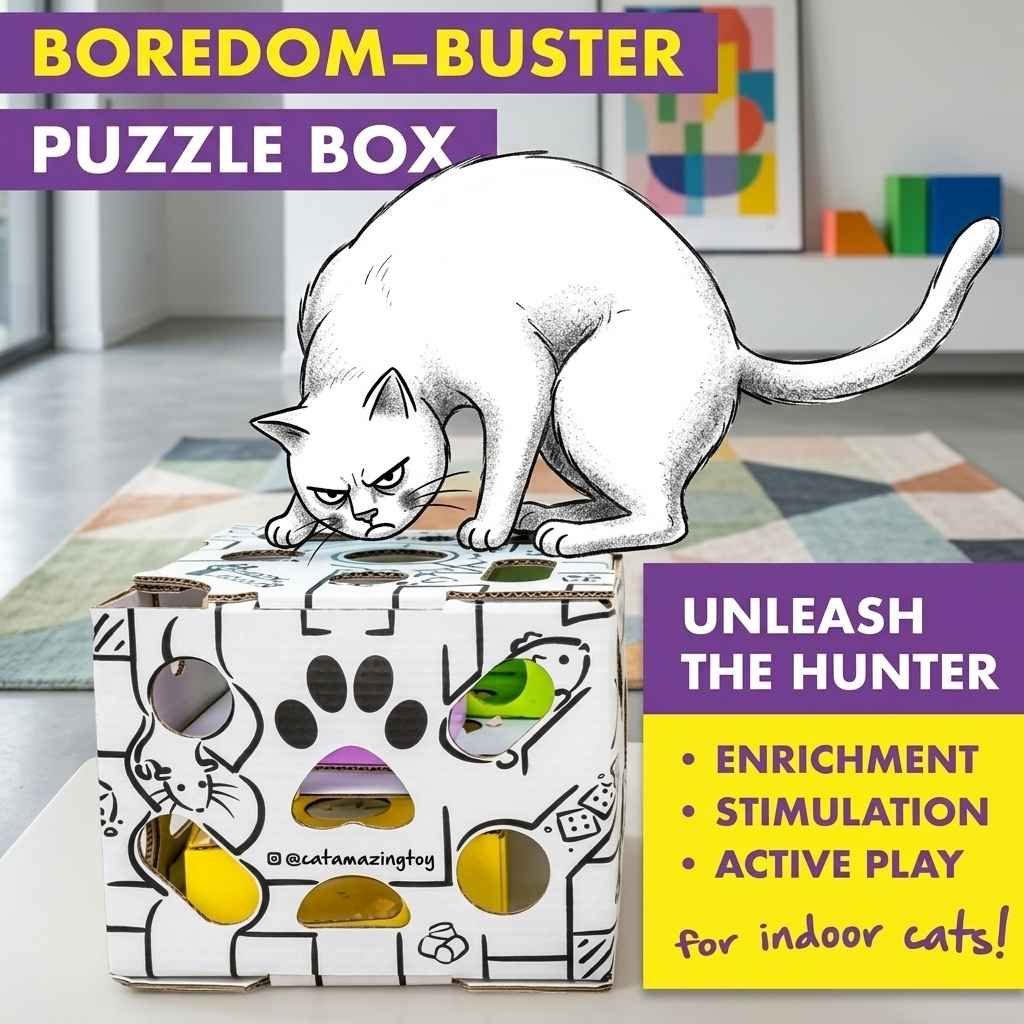
Product Recommendation: Because black cats deserve enrichment and you deserve to be entertained watching them work for it, consider the Cat Amazing Classic Cat Puzzle Feeder. It is an interactive treat maze that turns mealtime into a game. Think of it as a job interview your cat will actually enjoy, unlike anything you will ever put a cat through at the vet.
The Spies of the Cat Kingdom: Gray (Blue) Cats
Gray cats fly under the radar. No viral stereotypes. No dramatic origin stories. Just quiet, watchful creatures that most hoomans catastrophically underestimate. As a white cat who has observed gray cats extensively from across the room with deep suspicion and mild admiration, I can confirm, they are not what you think they are.
Behaviorists consistently describe gray cats as highly sensitive, deeply intuitive, and emotionally reactive to household stress. Studies on coat color and temperament have found that blue-gray cats score high on both affection and anxiety. They attach deeply to their primary person, but that attachment comes with conditions, and those conditions are non-negotiable.
Change a gray cat’s routine and it will stare at you with the contempt of a thousand ancestors.
Rearrange the furniture and it will refuse to eat for two days on principle.
Bring a loud new hooman into the house without a proper introduction and it will develop stress-related overgrooming, which means you will feel bad and the cat will be partially bald. Neither of you wants this.
Stress-related health issues — overgrooming, appetite loss, urinary problems — show up more frequently in highly sensitive cats like these. If your household is chaotic, loud, and unpredictable, do not get a gray cat. I say this not to discourage you but to protect a potentially wonderful creature from a life of quiet despair in your noisy apartment.
However, if your home is calm, consistent, and runs with some semblance of routine, a gray cat will reward you with a depth of companionship that will ruin you for all other relationships. You have been warned.
Purrnando’s Verdict: Gray cats are not pets. They are an experience. Prepare accordingly.
Product Recommendation: For the gray cat’s sensitive soul, your home needs to smell like peace. The FELIWAY Optimum Cat Calming Pheromone Diffuser Starter Kit mimics natural feline calming pheromones and reduces stress-related behaviors. Think of it as aromatherapy, but for someone who actually matters. Plug it in. Leave it running. Do not question it.
The Chaotic Neutral: Tabby Cats
Oh, you got a tabby. How refreshing. How ordinary-looking.
I know. I know. You thought “tabby” was a breed. It is not. Tabby is a pattern. There are brown tabbies, orange tabbies, gray tabbies, silver tabbies, and more — and their personalities can vary significantly based on the base color underneath.
Brown tabbies tend to be adaptable and social. Orange tabbies carry all the boldness of their solid orange cousins but in stripes. Gray tabbies lean anxious. Welcome to the chaos.
Here is the universal tabby warning that applies regardless of color: you are underestimating this cat’s intelligence, and it is going to cost you furniture.
Tabbies are sharp. They problem-solve. They test boundaries. And they get bored with the speed of a toddler who has just been told no. A bored tabby will find entertainment. It will not consult you first. It will not consider your feelings about the scratched leather sofa, the toppled printer, or the 4 a.m. Olympic sprint through the hallway.
Studies on feline enrichment show that patterned-coat cats with high prey drive, which tabbies absolutely have, require significantly more interactive play than the average hooman provides. Your cat is not misbehaving. It is telling you that you are failing at your one job.
Purrnando’s Verdict: You got a tabby because they look friendly and approachable. Your tabby now owns your home. Congratulations.
Product Recommendation: You will need to wear this cat out. The Migipaws Interactive MigiMouse Cat Toy features a 360° rolling motion, a realistic squeak, and a smart motion sensor that keeps cats chasing. Highly rated, USB rechargeable, and more entertaining to your tabby than anything you have ever personally done. You’re welcome.
The Drama Queen in a White Coat: White Cats
[Purrnando sets down his pen. He stares into the middle distance. He takes a long, slow breath.]
This section is personal.
White cats. Beautiful. Ethereal. Frequently deaf. And I say this as one of them.
Up to 65 to 85 percent of white cats with two blue eyes are born deaf in one or both ears. This is not a rumor. This is a well-documented genetic reality. The same gene interaction that produces this stunning white coat and these luminous blue eyes can also result in congenital deafness.
I am telling you this because no one told my hooman before they brought me home, and we have both been figuring it out ever since. It has been, at best, a journey.
Here is where the problem emerges: most people who adopt white cats were never told this.
Shelters sell the aesthetic. The internet celebrates the aesthetic. Nobody mentions that this majestic creature may not hear your warnings, your calls, your claps, or — most importantly — the crinkle of a treat bag.
I have been startled so many times by hoomans sneaking up behind me that I have developed what I can only describe as a hair-trigger for launching myself off countertops with no warning. This is not my fault. This is a design feature you were not briefed on.
Deaf white cats cannot hear predators or cars, which is why we require indoor-only environments. We also require a completely different communication system built on touch, vibration, and visual cues — none of which the adoption counselor mentioned before you drove home with us and your rose-tinted expectations.
White cats are not less lovable for this. We are, in fact, extraordinary. But we need owners who are prepared, educated, and patient, not merely people who want something beautiful.
[Purrnando smooths his pristine white fur and regains his composure.]
Moving on.
Purrnando’s Verdict: If you wanted beautiful and low-maintenance, you should have gotten a succulent. We white cats require work, love, and the willingness to communicate without relying on sound. We are worth it. Obviously.
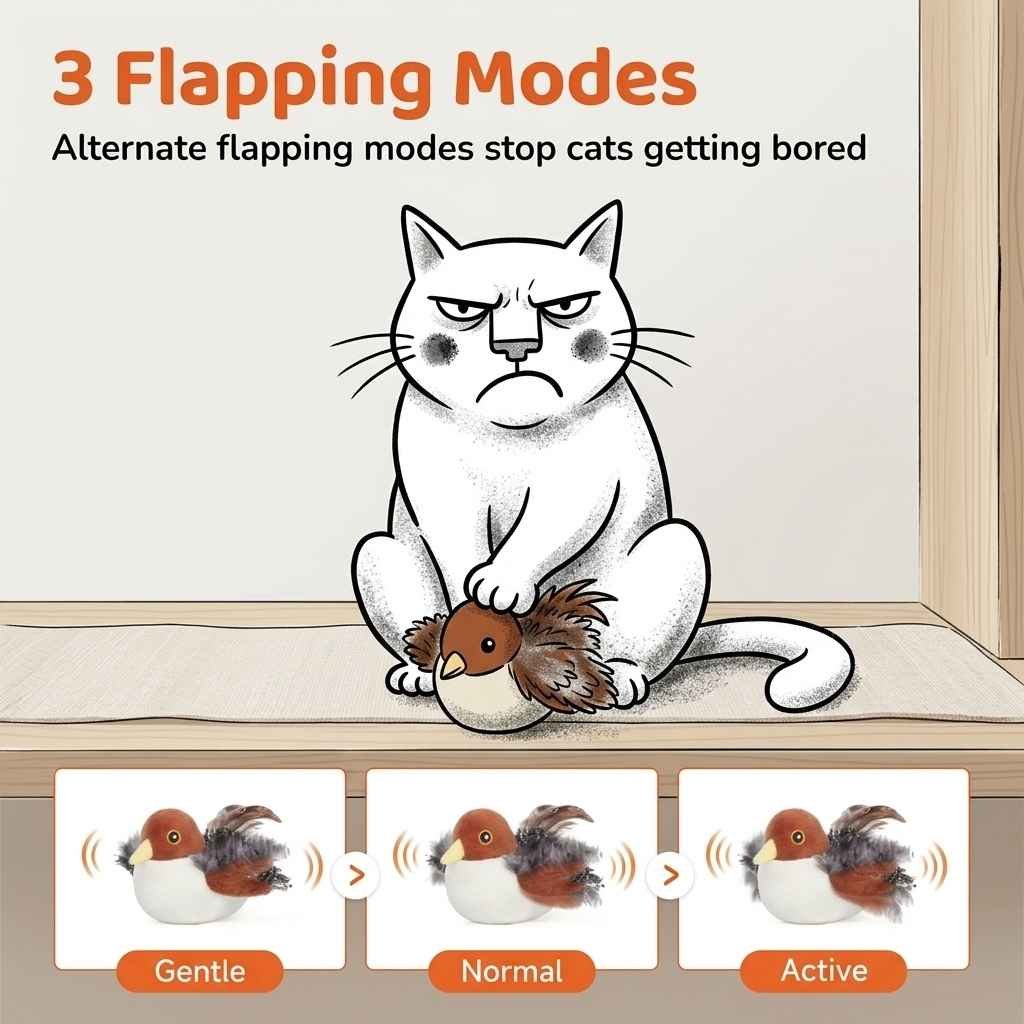
Product Recommendation: For white cats with limited hearing, stimulation through sight and touch becomes everything. The Potaroma Flapping Bird Cat Toy is a touch-activated, lifelike sandpiper toy that moves and chirps, engaging cats visually. Your deaf cat cannot hear the chirp, but they will absolutely try to murder the bird, which is the goal.
Additionally, for any white cat owner, consider buying yourself the Window Garden Cat Grass Kit. Fresh wheatgrass provides nutrients, aids digestion, and perhaps most importantly, gives an indoor-only cat something to dramatically destroy in the middle of your kitchen.

The Overcaffeinated Extrovert: Tuxedo Cats
Listen, tuxedo cats have a fan club, and the fan club is not wrong. Multiple behavioral studies and shelter assessments have found that bicolor cats — particularly the black-and-white tuxedo variety — consistently rank among the most social, trainable, and adaptable of domestic cats. They tolerate children. They tolerate other animals. They even tolerate you.
Here is where hoomans go catastrophically wrong: because tuxedo cats are sociable and visibly expressive, people assume they are low-effort. Highly social cats have high social needs. This is not complicated math.
A tuxedo cat left alone for long hours without stimulation will develop behavioral problems with alarming efficiency. Excessive vocalization. Destructive behavior. The kind of attention-seeking that dismantles your kitchen at 2 a.m.
If you work from home, have multiple pets, or can genuinely commit to interactive daily time, a tuxedo cat will reward you in ways that will embarrass you emotionally. They are that good. But if your lifestyle involves 12-hour workdays and a vague plan to “just leave out some toys,” I suggest you reconsider — for the cat’s sake, not yours.
Purrnando’s Verdict: The tuxedo cat is a social contract. Are you prepared to hold up your end?
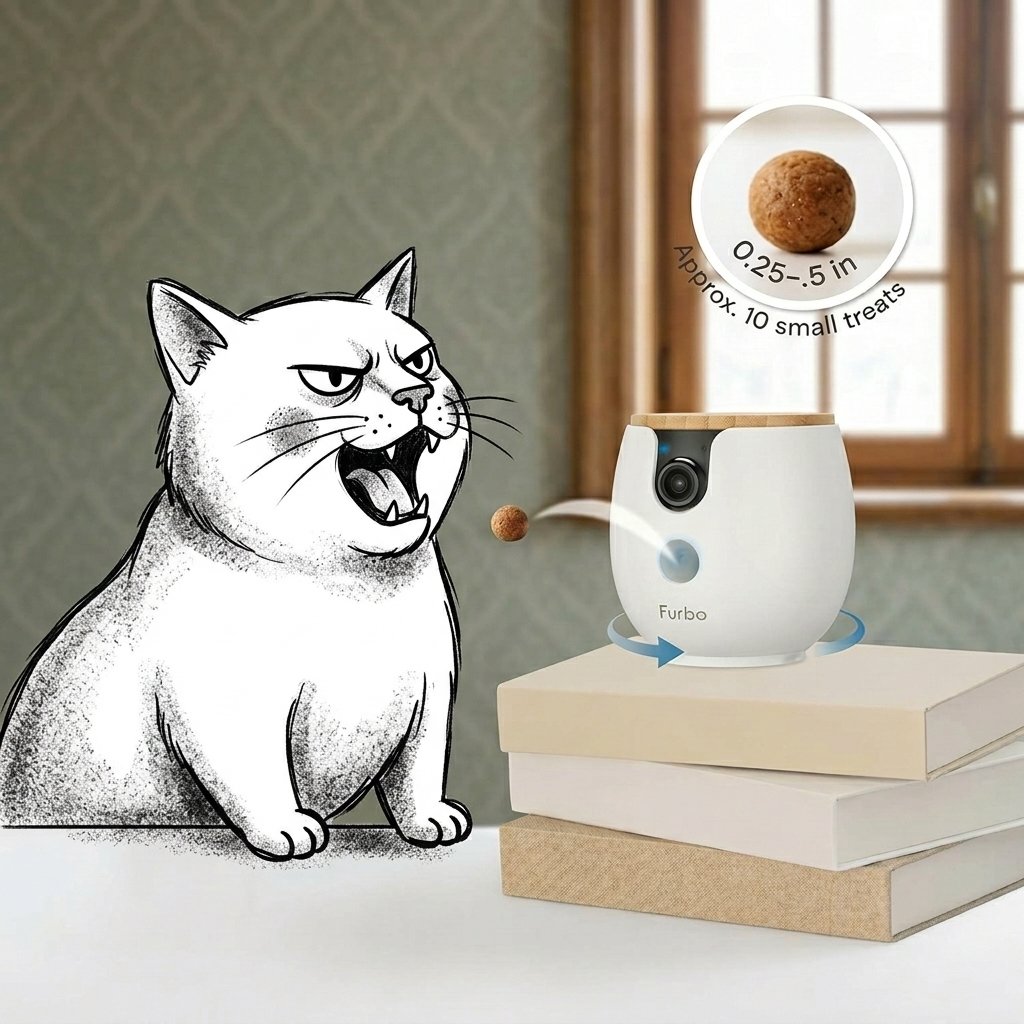
Product Recommendation: For the tuxedo cat home alone too long, invest in the Furbo 360° Cat Camera on Amazon. It has a 360° rotating view, a two-way speaker so you can talk to your cat, and critically, a treat toss feature you can activate from your phone. Yes, you can fling treats at your cat from across town. The fact that it took humanity this long to invent this device is honestly embarrassing.
The Goblin in a Fur Coat: Orange (Ginger) Cats
Now, the orange cat. The beloved orange cat.
Everyone loves orange cats. They look warm, cuddly, and approachable. Their round faces suggest goodwill. Their coloring suggests warmth. Their actual behavior suggests that you did not read the disclaimer.
A study from the University of California, Davis, found that orange cats — particularly males — score significantly higher in aggression compared to other coat colors. Not playful swatting. We are talking biting, scratching, and dominance-driven behavior that can escalate without proper handling.
I say this not to slander your beloved Mr. Fluffington but to ensure that you are not blindsided when he decides your ankles belong to him.
That same aggression, however, comes packaged with extreme loyalty. Orange cats form intense one-person bonds. They will follow you from room to room. They will demand your attention with the relentlessness of a toll booth. They will become genuinely distressed when ignored, which, having met most hoomans, will happen more than it should.
If you live alone and want a cat that functions essentially like a small, furry, belligerent dog, an orange cat may be your perfect match. If you have small children or other pets, go in with your eyes open. This cat will test your patience before it melts your heart, and the process will leave marks. Literal ones.
Purrnando’s Verdict: Orange cats are the charismatic problem employees of the cat world. Brilliant. Loyal. Absolutely a handful. You either love it or you don’t.
Product Recommendation: The orange cat needs to be physically redirected before it redirects itself onto your hand. The 3-in-1 Cat Treat Puzzle Feeder combines a treat puzzle, track balls, and a feather teaser in one device — because the orange cat needs multiple simultaneous problems to solve, or it will make you the problem.
The One With Opinions: Calico Cats
Ask any vet. Ask any shelter worker. Ask anyone who has shared a home with a calico. They will all tell you the same thing, with the same weary look in their eyes.
Calicos are a handful.
The University of California, Davis conducted one of the most comprehensive coat color behavior studies ever assembled, and calico cats scored highest in aggression toward humans. Hissing. Swatting. Resistance to handling. More than any solid-colored counterpart.
The science behind this is genuinely fascinating: calico coloring results from a complex X-chromosome expression process. Almost all calicos are female, and researchers believe the same genetic interaction that creates that distinctive tricolor pattern may also influence the neurological wiring tied to reactivity.
In other words, the coat is not just cosmetic. It is a window into the cat’s entire operating system.
But here is what makes calicos so profoundly misunderstood: their intensity is not random aggression. It is communication. Calicos are opinionated. They know exactly what they want and exactly what they do not want, and they will express both positions with complete clarity and zero apology.
Owners who learn to read their signals and respect their boundaries often describe some of the most rewarding cat relationships in existence.
The warning is not “avoid calicos.” The warning is: do not adopt a calico if you expect a pushover, because you will not get one, and you will deserve whatever follows.
Purrnando’s Verdict: Calicos are essentially tiny lawyers in fur coats. Formidable. Occasionally terrifying. Deeply impressive if you can keep up.
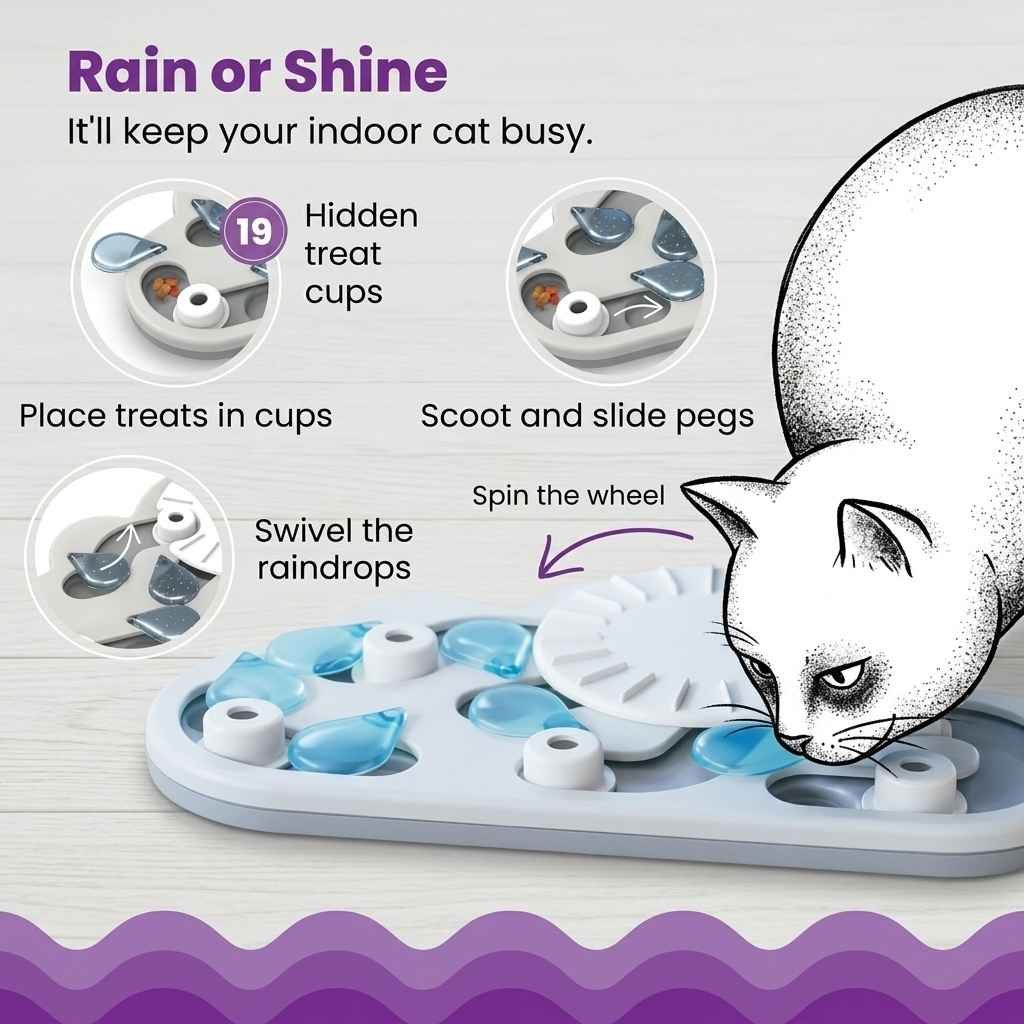
Product Recommendation: A calico needs to be respected and enriched, in that order. The Catstages Nina Ottosson Rainy Day Puzzle & Play Cat Feeder is a slow-feeder enrichment toy that challenges even the most intellectually aggressive cats. Give her something to conquer. She will be insufferable otherwise.
The Final Boss: Tortoiseshell Cats
If calicos are opinionated, tortoiseshells are calicos with the volume knob turned past the maximum and then snapped off.
The term “toritude” exists for a reason, and it is not internet folklore.
The same UC Davis research that flagged calicos also identified tortoiseshell cats as displaying the highest rates of unpredictable behavior among all coat colors studied. Not just assertive — unpredictable.
Calicos tend to be consistently feisty. Torties can shift moods with the speed and warning of a weather event. Affectionate one moment, overstimulated and reactive the next, and back to purring before you have finished processing what just happened.
This catches owners completely off guard. You will be petting a purring tortie and then — without what you can identify as any discernible trigger — you will have teeth in your hand.
First-time cat owners who adopt torties based on their stunning coats often become convinced they received a defective animal. They did not. They received a cat that requires experience, emotional intelligence, and the ability to read extremely subtle body language signals that they have not yet developed.
Torties also tend to bond exclusively with one person in the household and show open contempt toward everyone else. If you are that one person, it is one of the most flattering things that will ever happen to you. If you are not that person, you live in their house and they tolerate your existence.
Purrnando’s Verdict: Tortoiseshell cats are not for the faint of heart or the slow of reflexes. Respect the tortie. Fear the tortie. Love the tortie from a safe distance until she decides otherwise.
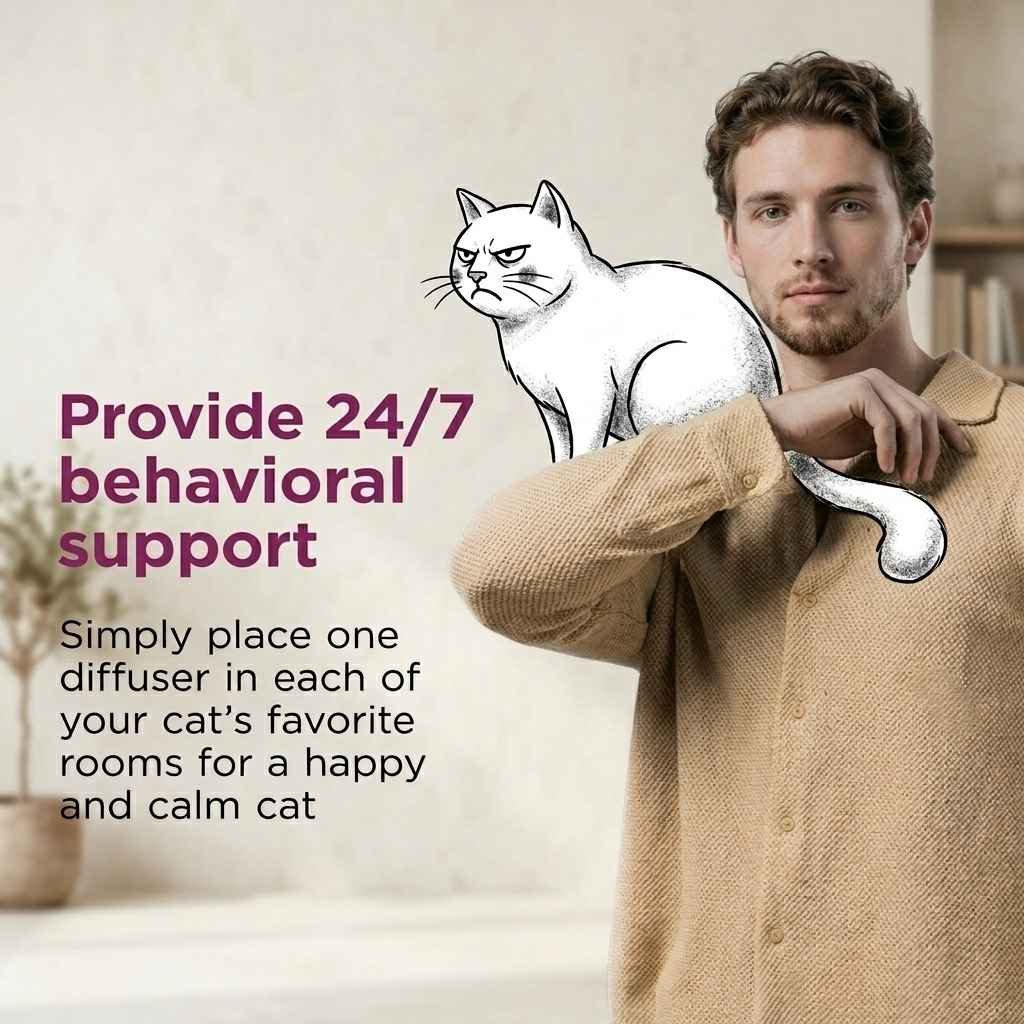
Product Recommendation: For the tortoiseshell owner who needs to protect their sanity and their couch simultaneously, the Comfort Zone 60-Day Cat Calming Diffuser Starter Kit releases synthetic pheromones that reduce aggression, spraying, and stress behaviors. It is not a cure for toritude. Nothing is. But it takes the edge off, and sometimes that is all anyone needs.
The Complicated One: Cream and Ivory Cats
Now we arrive at the cat most likely to make you feel like a terrible pet owner six months after adoption — not through drama, but through silence.
Cream and ivory cats, often found in breeds like the British Shorthair, Ragdoll, and Persian, consistently score high in docility and low in territorial aggression. They are calm. They are quiet. They are tolerant. They seem like the perfect cat for any household.
And then, one day, you notice something is wrong. Very wrong. And you realize it has been wrong for a while.
Veterinary professionals have observed that cream and light-coated cats are routinely brought in for conditions that should have been caught far earlier, precisely because their owners assumed silence meant contentment.
These cats do not yowl when sick. They do not act out when stressed. They withdraw — quietly, gradually, incrementally — until a health or emotional issue has progressed well beyond what proactive attention would have caught.
Silence is not peace. Not in a cat.
If you own a cream cat, you cannot rely on behavioral signals the way you would with a more reactive breed. You need regular vet checkups, daily observation, and the willingness to investigate subtle changes — a slightly slower gait, a fraction less food eaten, a slightly different posture at rest. These are the signals a cream cat gives you. Learn to read them or accept the consequences.
Purrnando’s Verdict: Cream cats require a hooman who is proactive, attentive, and not easily fooled by tranquility. They are not low maintenance. They are just quiet about their needs.
Product Recommendation: For the cream cat owner who needs help staying on top of health monitoring, the Furbo 360° Cat Camera earns its place a second time here — not for treating, but for watching. Behavioral changes often show up on camera before they show up to the naked eye. Watch your cat. Be the kind of owner your quiet cat silently needs.
The Most Dramatic Creature Alive: Colorpoint and Multicolor Cats
We arrive at last at the category that the internet covers entirely in aesthetics and almost never in reality.
Colorpoint cats — think Siamese and Siamese-patterned breeds — carry one of the most well-documented behavioral profiles in feline science. They are vocal, demanding, deeply intelligent, and emotionally dependent in ways that will genuinely overwhelm unprepared owners.
Studies show colorpoint cats developing anxiety-based disorders at higher rates when their social and cognitive needs go unmet. They need stimulation, companionship, and interaction at a level that most people, frankly, did not sign up for.
Smoke-coated cats — where the fur appears solid but reveals a lighter undercoat — are described by shelter workers as highly alert and prone to stress in unstable households.
And then there are chimera cats: those with two visually distinct facial colorations, resulting from two separate sets of DNA expressing simultaneously. They are genetically fascinating. They are also behaviorally unpredictable, because no general rule will capture them.
The moral here is simple: the more visually complex the coat, the more research you owe that specific cat. Not the breed. Not the color. That individual animal — its parentage, its early socialization, its history.
These cats do not fit the mold. If you assume they will, the surprise is entirely on you.
Purrnando’s Verdict: Colorpoint cats are essentially brilliant, emotionally demanding conversationalists who chose the wrong species as a roommate. If you enjoy a challenge and own noise-canceling headphones, you will be fine.
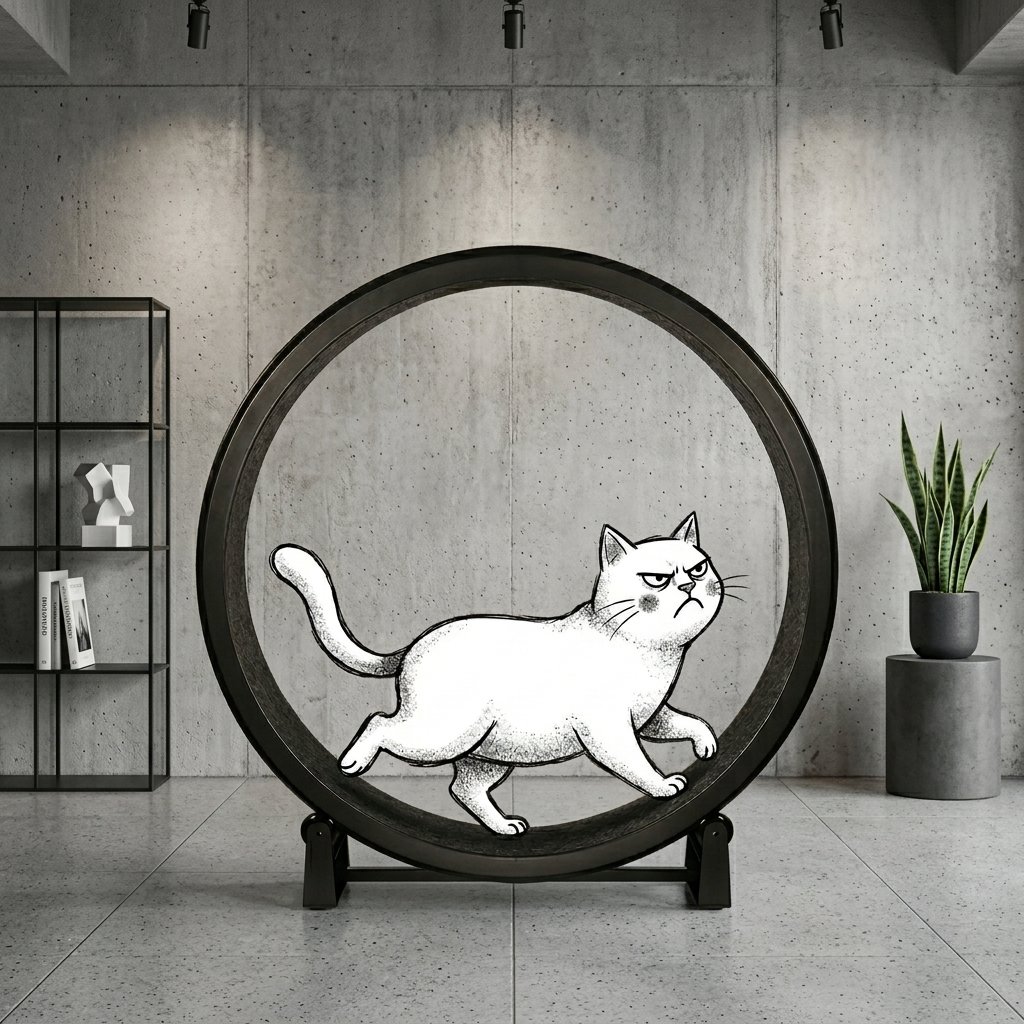
Product Recommendation: For the colorpoint cat who needs to channel their formidable intelligence productively, the One Fast Cat Exercise Wheel is a large carpeted running wheel designed for indoor cats with high energy and prey drive. It turns all that nervous Siamese energy into actual physical exercise. It also looks vaguely like a piece of modern art in your living room, which is fitting for a cat who considers themselves a work of art.
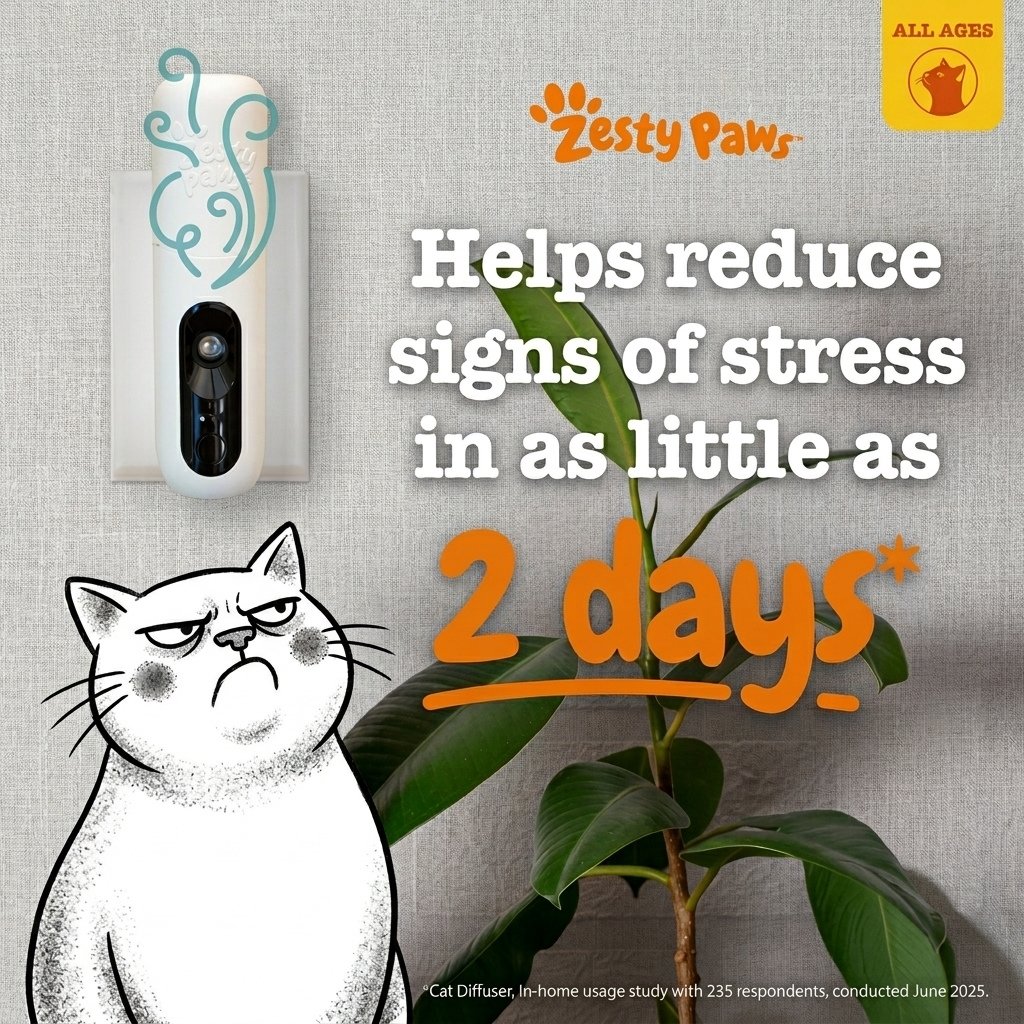
Also: for you, hooman, consider picking up the Zesty Paws 30-Day Cat Pheromone Calming Diffuser Plug-in Starter Kit. Colorpoint cats can fill a room with anxiety. This will not cure it. But it will smooth the edges enough that you can both get some sleep.
Final Words From Purrnando
You have reached the end of my patience — I mean, this guide.
Every coat color listed above comes with its own behavioral tendencies, its own emotional needs, and its own set of ways that an underprepared hooman will inevitably get it wrong. This is not to shame you. Well. It is a little bit to shame you, but mostly it is to give you the information that nobody handed you before you walked into that shelter and chose based entirely on who had the prettiest eyes.
Your cat did not come with a manual because hoomans historically do not read manuals. But they do, occasionally, read blog posts written by grumpy cats with unreasonably high standards.
Now you have no excuse.
Go do better.
— Purrnando
Share this article if your cat has already ruined at least one piece of furniture and you still love them anyway, which is, statistically, all of you.
Affiliate disclosure: if you buy through our links, we earn a small commission. Purrnando has been informed of this and is choosing to be offended that it isn’t larger.